
First Time Climbing Mount Ararat: A Complete Beginner's Guide
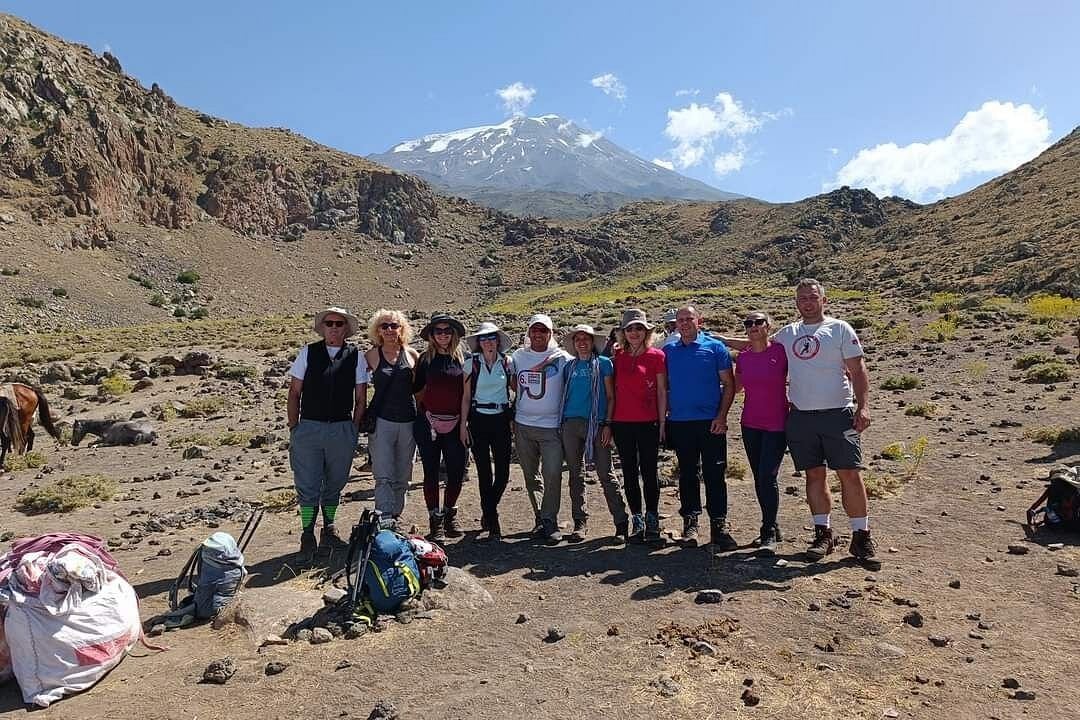
You don't need to be a mountaineer to stand on top of Turkey's highest peak. Mount Ararat (5,137 m) is classed as a non-technical climb — there are no ropes, ladders, or rock-climbing sections on the standard Southern Route. Thousands of first-timers summit every season. But "non-technical" does not mean easy. The altitude, weather, and multi-day effort catch many people off guard. This guide covers exactly what you need to know so that doesn't happen to you.
Who Can Climb Mount Ararat?
If you can comfortably hike 8–10 hours over hilly terrain and have spent a few months building cardiovascular fitness, you're a realistic candidate. Most of our successful first-time clients share these traits:
- Age range: We've guided climbers from 18 to 72. Age matters less than fitness.
- Baseline fitness: Able to jog 5 km without stopping, or hike for 4+ hours with a daypack.
- Hiking experience: At least a few multi-hour day hikes on uneven terrain. Prior camping is helpful but not essential.
- No serious cardio-pulmonary conditions: Consult your doctor if you have heart, lung, or blood-pressure issues.
You do not need prior mountaineering experience, crampon skills, or ice-axe training. Our guides handle route-finding and provide any technical equipment needed for the final snow section.
Choosing the Right Tour Length
We offer expeditions ranging from 4 to 7 days. For first-timers, our honest recommendation is 5 or 6 days. Here's why:
- 4-day trek: Fast-paced. Only choose this if you're very fit and have altitude experience. Summit success rate is lower for beginners.
- 5-day trek (recommended): The most popular option. Includes a proper acclimatization day at high camp, which dramatically improves your summit chances.
- 6-day trek: Best for cautious first-timers. Extra acclimatization time and a more relaxed pace. Highest summit success rate.
- 7-day trek: Includes cultural excursions around Doğubayazıt. Perfect if you want the full experience, not just the mountain.
Physical Preparation: A 12-Week Plan
Start training at least 3 months before your climb. You don't need a gym — most preparation can be done outdoors. For a detailed breakdown, see our complete training guide. Here's the condensed version:
Weeks 1–4: Build Your Base
- Walk or jog 30–45 minutes, 4–5 times per week
- Add one longer hike (2–3 hours) on weekends, ideally with elevation gain
- Include stair climbing — it's the closest simulation of mountain ascent
Weeks 5–8: Add Load and Duration
- Hike with a weighted backpack (8–12 kg) for 3–4 hours at a time
- Increase midweek cardio to 45–60 minutes
- Do one long hike (5–6 hours) per week if possible
- Add bodyweight squats, lunges, and calf raises for leg endurance
Weeks 9–12: Peak Training
- Back-to-back hiking days to simulate multi-day trekking
- One hike per week exceeding 6 hours with a loaded pack
- If available, hike at altitude (even 2,000–3,000 m helps your body learn the response)
- Taper in the final week — rest, stretch, and recover
What to Pack (And What Not To)
Overpacking is the number one mistake first-timers make. Your main bag goes on a pack horse — you only carry a daypack on the mountain. Here are the essentials:
Must-Have Gear
- Boots: Broken-in, waterproof hiking boots with ankle support. Do NOT bring new boots.
- Layers: Base layer (merino wool), insulating mid-layer (fleece or down), waterproof shell jacket and trousers.
- Summit layers: Down jacket rated to at least −15°C, balaclava, ski goggles, thick gloves plus liner gloves.
- Sleeping bag: Comfort-rated to −15°C minimum. We rent these if you don't want to buy one.
- Headlamp: With spare batteries. Summit day starts at 2 AM in the dark.
- Sun protection: SPF 50 sunscreen, UV-blocking sunglasses. Snow reflection at 5,000 m is brutal.
- Trekking poles: Highly recommended for knee preservation on descent.
For the complete list, see our detailed gear checklist. Don't want to buy specialist equipment? Check our rental service — most technical items are available from €5–30 per piece.
What to Leave at Home
- Jeans or cotton clothing (absorbs sweat, dangerously cold when wet)
- Heavy books or electronics beyond your phone
- More than 2 changes of hiking clothes (you'll re-wear them)
- Formal shoes — you'll live in boots and camp sandals
Understanding Altitude: The Real Challenge
The single biggest factor that separates Mount Ararat from a regular hiking trip is altitude. At 5,137 m, the air contains roughly 50% of the oxygen available at sea level. Your body needs time to adapt.
How Acclimatization Works
On a typical 5-day expedition, your schedule looks like this:
- Day 1: Trek from trailhead (2,200 m) to Base Camp (3,200 m) — roughly 4–5 hours
- Day 2: Trek to High Camp (4,200 m) — roughly 5–6 hours
- Day 3: Acclimatization day. Short hike up to ~4,600 m, then back down to sleep at High Camp. This "climb high, sleep low" technique is critical.
- Day 4: Summit day. Depart 2 AM, summit by 8–10 AM, descend to Base Camp by afternoon.
- Day 5: Descend to trailhead, transfer to Doğubayazıt.
Altitude Sickness: What to Watch For
Mild symptoms are normal and expected above 3,500 m:
- Common (not dangerous): Headache, slight nausea, poor appetite, disrupted sleep, shortness of breath on exertion
- Warning signs (tell your guide immediately): Persistent vomiting, severe headache unresponsive to painkillers, confusion, difficulty walking straight, gurgling breath sounds
Key prevention tips:
- Drink 3–4 litres of water per day (more than you think you need)
- Avoid alcohol completely during the climb
- Eat regularly even if appetite is reduced — your body needs fuel
- Ascend slowly. Our guides set a deliberately slow pace. Don't race ahead.
- Consider Diamox (acetazolamide) — discuss with your doctor before the trip. Many of our clients use it prophylactically.
Summit Day: What to Expect
This is the moment everything builds to — and the hardest 8–10 hours of the expedition.
- 1:30–2:00 AM: Wake-up call at High Camp (4,200 m). Hot tea and a light breakfast. You'll be nervous. That's normal.
- 2:30 AM: Depart by headlamp. The first 2 hours are a steep scramble over loose volcanic rock in the dark. Focus on your guide's footsteps.
- 4:30–5:00 AM: Reach the snowline (~4,800 m). Crampons on. The terrain becomes a steady snow slope.
- 6:00–7:00 AM: Sunrise. You'll be around 4,900–5,000 m. This is often the most emotional moment — the entire Anatolian plateau glows orange below you.
- 8:00–10:00 AM: Summit (5,137 m). 15–30 minutes on top for photos and celebration. The views extend to Iran, Armenia, and Georgia on a clear day.
- 10:00 AM–2:00 PM: Descent all the way to Base Camp. Physically demanding — your knees will feel it. Poles are invaluable here.
Common First-Timer Mistakes
After guiding thousands of first-time climbers since 2001, we see these errors repeatedly:
- Underestimating the cold. Summit temperatures reach −15 to −25°C with wind chill. Your "warm" jacket from home won't cut it. Bring (or rent) expedition-grade insulation.
- New boots on the mountain. Break them in over at least 50 km of hiking before you arrive. Blisters at 4,500 m can end your summit attempt.
- Skipping the acclimatization day. The temptation to "push through" is strong. Resist it. The extra day at High Camp roughly doubles your summit success probability.
- Not drinking enough water. At altitude you lose moisture through breathing much faster than normal. If your urine isn't light-coloured, you're dehydrated.
- Going too fast. Mountain guides have a saying: "If you feel like you're going too slow, you're going the right speed." Pace yourself. The summit isn't going anywhere.
- Ignoring symptoms. There is no shame in turning back. Our guides will make the call if needed, but we'd rather you speak up early than push into a dangerous situation. You can always come back.
Permits, Logistics & Costs
Foreign nationals need a climbing permit issued by Turkey's Ministry of Culture and Tourism. The process takes 2–4 weeks and requires passport details, travel insurance, and a licensed tour operator. We handle all of this for you — see our 2026 permit guide for full details.
Total expedition costs typically range from $1,200–$2,500 depending on tour length and group size. Our complete cost breakdown covers everything from flights to tips. All our packages include:
- Licensed mountain guide and assistant guides
- Climbing permit and all government fees
- All meals on the mountain (breakfast, lunch, dinner)
- Camping equipment (tents, cooking gear)
- Pack horse for baggage transport
- Airport/hotel transfers in Doğubayazıt
When to Go
The climbing season runs from mid-June to mid-September. For first-timers, mid-July to mid-August offers the best combination of stable weather, warm temperatures, and minimal snow at lower elevations. Check our month-by-month season guide and 2026 weather forecast for detailed planning.
Ready to Book?
We've guided first-time climbers to the summit since 2001, with a 95% success rate on our 5-day and 6-day expeditions. Every expedition includes experienced guides born and raised in the shadow of Mount Ararat who know every metre of the route.
Browse our 2026 expedition packages to find the right fit, or contact us directly — we're happy to give you an honest assessment of your readiness and help you plan your first summit.
Continue Reading
Related Guides